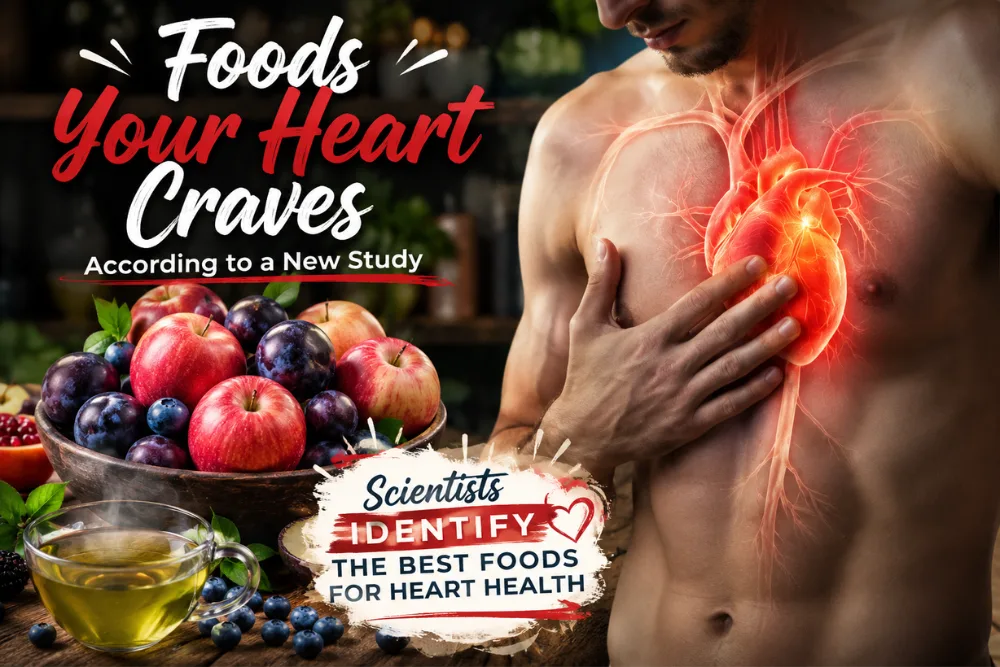
Eating the right fruits and vegetables may be just as important as eating enough of them. Research suggests that specific foods rich in flavanols can support heart health, improve circulation, and help maintain healthy blood vessels. While the traditional five a day recommendation remains valuable, choosing flavanol rich foods could provide additional benefits that many people are currently missing.
For many years, public health guidance has encouraged people to consume at least five portions of fruits and vegetables daily. This advice remains one of the cornerstones of a healthy diet and has been linked to improved overall wellbeing and a reduced risk of chronic disease.
However, emerging research suggests that not all fruits and vegetables offer the same nutritional advantages. Certain varieties contain significantly higher levels of compounds known as flavanols, which may provide unique benefits for cardiovascular health.
A large study involving approximately 30,000 participants from the United States and the United Kingdom found that many people were not consuming enough flavanols, even when they regularly met the recommended five daily servings of fruits and vegetables. The findings highlight the importance of food quality and variety, rather than simply focusing on quantity alone.
Researchers believe that increasing the intake of flavanol rich foods may help support healthy blood circulation, reduce inflammation, and maintain the flexibility of blood vessels. Although experts agree that more research is needed to confirm long term effects on heart disease outcomes, the growing evidence suggests that paying attention to flavanol intake could become an important part of future dietary recommendations.
What Are Flavanols?
Flavanols are naturally occurring plant compounds that belong to a larger group of substances known as flavonoids. These compounds are found in a variety of fruits, vegetables, beans, tea, and cocoa products. They are recognized for their antioxidant properties, which help protect the body’s cells from damage caused by oxidative stress.
Researchers have become increasingly interested in flavanols because of their potential role in supporting cardiovascular health. Studies suggest that these compounds may help improve blood vessel function, enhance circulation, and reduce inflammation throughout the body. Healthy blood vessels are essential for transporting oxygen and nutrients efficiently, making their proper function critical for overall health.
Unlike vitamins and minerals, flavanols are not currently classified as essential nutrients. However, scientists continue to investigate their potential contributions to long term wellbeing. As understanding grows, flavanols may become a more prominent consideration in dietary guidance and nutrition research.
Why Flavanols Are Important for Heart Health
Heart disease remains one of the leading causes of illness worldwide, making the search for effective dietary strategies particularly important. Flavanols have attracted attention because they appear to support several processes associated with cardiovascular health.
According to researchers, flavanols may help maintain blood vessel elasticity. Flexible blood vessels allow blood to flow more efficiently and can contribute to healthy blood pressure levels. In addition, flavanols may help reduce inflammation, which is considered a major factor in the development of many cardiovascular conditions.
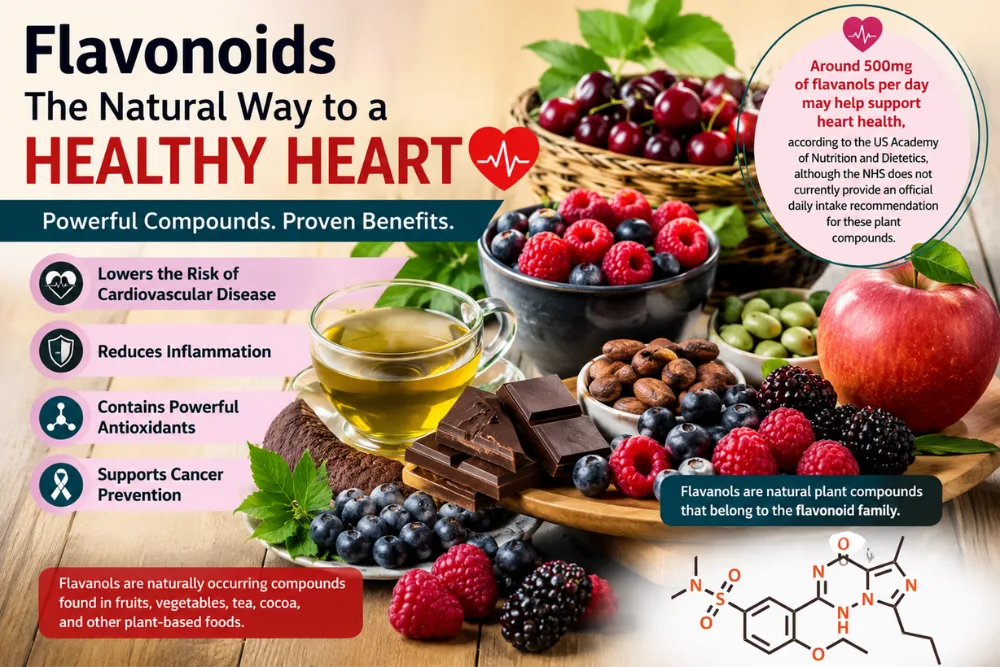
Improved circulation is another potential benefit linked to flavanol consumption. Healthy blood flow ensures that organs and tissues receive adequate oxygen and nutrients. Some studies have also shown positive effects on blood pressure, although experts emphasize that evidence connecting flavanol intake directly to reductions in heart attacks and strokes remains limited.
The current research suggests that flavanols can support cardiovascular function, but they should be viewed as part of a broader healthy lifestyle rather than a standalone solution.
The Study That Highlighted Flavanol Deficiency
The recent research published in the journal Food and Function examined dietary patterns among approximately 30,000 participants from the United States and the United Kingdom. Researchers sought to determine how much flavanol people were consuming and whether they were meeting levels believed to support heart health.
To obtain accurate results, the study did not rely solely on food diaries. Researchers also used biomarkers found in participants’ urine to monitor flavanol intake. This approach provided a more reliable measure of how much of these compounds were actually being absorbed by the body.
The findings revealed that fewer than one in five people consumed around 500 milligrams of flavanols daily. This was particularly notable because some participants already met the standard recommendation of five portions of fruits and vegetables each day.
The results suggest that simply eating more produce may not guarantee adequate flavanol intake. Instead, selecting foods naturally rich in these compounds appears to be a key factor in achieving beneficial levels.
Why Not All Five A Day Choices Are Equal
The traditional five a day recommendation remains an effective public health message, but researchers argue that it may not tell the complete story. Different fruits and vegetables contain varying levels of vitamins, minerals, fiber, and plant compounds.
Some fruits and vegetables provide substantially higher concentrations of flavanols than others. As a result, two people may each consume five daily servings of produce while receiving very different amounts of these beneficial compounds.
Researchers emphasize that food choices matter. Selecting a diverse range of fruits and vegetables helps ensure a broader intake of nutrients and plant compounds. This approach may maximize the potential health benefits associated with a balanced diet.
The study reinforces the idea that nutritional quality is just as important as meeting minimum quantity recommendations. By making informed choices, individuals can potentially improve their intake of compounds that support cardiovascular health.
Foods That Contain the Highest Levels of Flavanols
Researchers identified several foods that provide particularly high levels of flavanols per serving. Among the most concentrated sources are plums, cranberries, blackberries, green tea, broad beans, cherries, apples, strawberries, blueberries, and pinto beans.
Plums were found to contain approximately 450 milligrams of flavanols in a 500 gram serving, making them one of the richest dietary sources. Cranberries followed with around 300 milligrams per 250 gram serving. Blackberries also ranked highly, delivering roughly 250 milligrams per 200 gram serving.
Green tea emerged as one of the most practical sources, providing approximately 200 milligrams per 250 milliliter cup. Broad beans supplied around 140 milligrams per small handful, while cherries offered approximately 130 milligrams per serving.
Apples, particularly when eaten with the skin intact, provided around 110 milligrams. Strawberries, blueberries, and pinto beans also contributed meaningful amounts and can easily be incorporated into a balanced diet.
These foods represent some of the best natural sources of flavanols currently identified by researchers.
Green Tea and Its Role in Flavanol Intake
Green tea has long been associated with various health benefits and is widely consumed across many cultures. One reason for its popularity among nutrition researchers is its naturally high flavanol content.
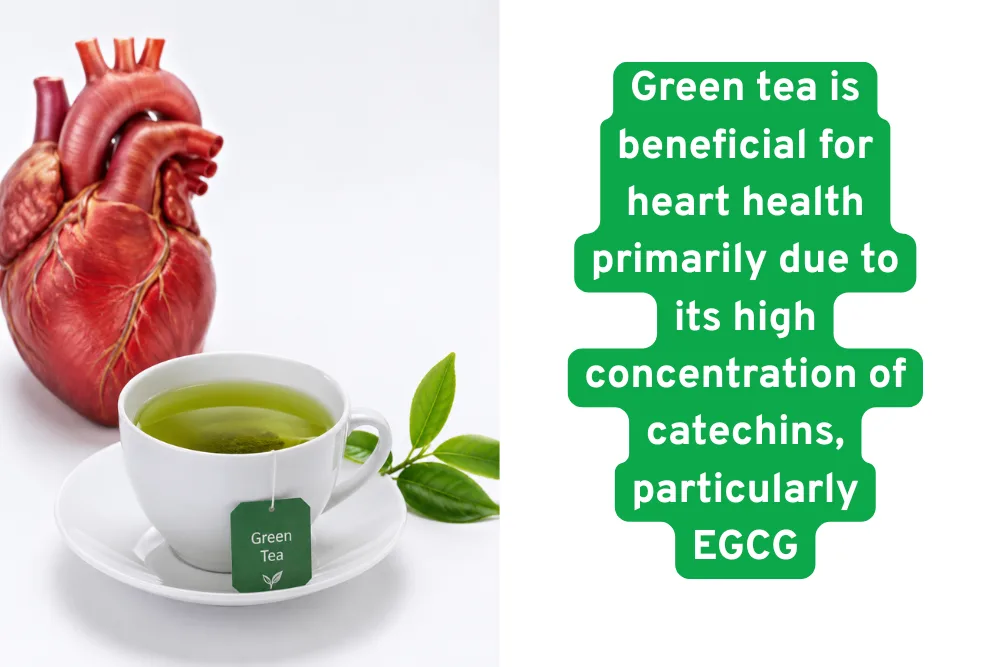
A single cup of green tea can contribute a substantial portion of the daily flavanol intake suggested by researchers. This makes it one of the simplest dietary additions for individuals seeking to increase their consumption of these compounds.
Green tea is also a low calorie beverage that can replace sugary drinks, potentially offering additional health advantages. When combined with a balanced diet rich in fruits and vegetables, it may help individuals achieve higher flavanol levels more consistently.
Although green tea should not be viewed as a cure for heart disease, it can serve as a practical component of a heart conscious eating pattern.
The Relationship Between Chocolate and Flavanols
Chocolate is often mentioned in discussions about flavanols because cocoa naturally contains these compounds. However, the amount present in commercial chocolate products varies significantly.
Not all chocolate is created equal when it comes to flavanols. The British Heart Foundation (BHF) says that flavanol content can vary considerably between commercial chocolate products and other foods.
Dark chocolate generally contains more flavanols than milk chocolate because it includes a higher proportion of cocoa and less sugar. Researchers note that two or three squares of dark chocolate may contain between 22 and 73 milligrams of flavanols. By comparison, a similar amount of milk chocolate may provide only 3 to 7 milligrams.
Despite these differences, chocolate should not be considered a primary source of flavanols. The actual content can vary widely depending on manufacturing methods, cocoa content, and product formulation.
For individuals seeking to increase flavanol intake, fruits, vegetables, beans, and green tea remain more reliable dietary sources.
Why Flavanol Levels Can Vary Between Foods
One challenge in studying flavanols is the considerable variation in their concentration across different foods. Even within the same type of fruit or vegetable, flavanol levels can differ significantly.
Several factors influence flavanol content. Growing conditions, climate, soil quality, ripeness, storage methods, and processing techniques can all affect the final concentration present in food products.
For example, fruit harvested at different stages of ripeness may contain different amounts of flavanols. Similarly, storage and processing methods can either preserve or reduce these compounds before the food reaches consumers.
This variability helps explain why researchers continue to investigate the relationship between flavanol intake and health outcomes. Understanding these differences will be essential for developing more precise dietary recommendations in the future.
The Role of Gut Bacteria in Flavanol Absorption
Consuming flavanols is only part of the equation. The body must also absorb and utilize these compounds effectively.
Small amounts of flavanols can be absorbed directly. However, much of the process depends on the activity of gut bacteria. These microorganisms help break down flavanols into forms that the body can use more efficiently.
Because every person has a unique gut microbiome, individuals may experience different levels of benefit from the same foods. Two people consuming identical amounts of flavanols may absorb and process them differently.
This emerging area of research highlights the complex relationship between nutrition and human health. It also suggests that personalized nutrition approaches may become increasingly important in the future.
What Experts Say About the Current Evidence
While researchers are encouraged by the findings surrounding flavanols, many experts urge caution when interpreting the results.
Some studies have demonstrated favorable effects on blood pressure and blood vessel function. However, experts note that there is currently limited evidence showing that higher flavanol intake directly reduces the risk of major cardiovascular events such as heart attacks or strokes.
Further clinical trials are needed to establish whether increasing flavanol consumption leads to measurable reductions in cardiovascular disease over the long term. Scientists continue to investigate the strength of these associations and the mechanisms involved.
Also read: This FTL1 Protein Foods Trend Is Growing Fast Here Is Why
The current evidence supports the idea that flavanols contribute to cardiovascular health, but more research is necessary before specific intake targets become standard medical recommendations.
Why a Balanced Diet Still Matters Most
Despite the growing interest in flavanols, major health organizations continue to emphasize the importance of a balanced diet. Experts agree that no single nutrient or compound can replace the benefits of overall healthy eating habits.
A varied diet that includes fruits, vegetables, whole grains, legumes, and other nutrient rich foods provides a wide range of vitamins, minerals, fiber, and plant compounds. Together, these nutrients work to support overall health and wellbeing.
Focusing exclusively on flavanols may overlook other essential aspects of nutrition. Instead, incorporating flavanol rich foods within a diverse dietary pattern offers a practical and sustainable approach to supporting heart health.
Current guidance from leading health organizations remains consistent: eat a wide variety of fruits and vegetables and maintain balanced eating habits over the long term.
Conclusion
Research suggests that flavanol rich foods may play an important role in supporting heart health, improving circulation, and maintaining healthy blood vessels. Studies indicate that many people do not consume enough flavanols, even when they meet traditional fruit and vegetable intake recommendations. Foods such as plums, cranberries, blackberries, green tea, broad beans, cherries, apples, strawberries, blueberries, and pinto beans appear to be among the richest natural sources.
Although more research is needed to confirm whether higher flavanol intake directly reduces heart disease risk, the evidence highlights the importance of food choices within a balanced diet. Rather than focusing solely on the number of servings consumed, selecting a diverse range of nutrient rich foods may help maximize health benefits and support long term cardiovascular wellbeing.
Frequently Asked Questions
What are flavanols?
Flavanols are natural plant compounds with antioxidant properties that may support heart health, circulation, and blood vessel function.
How much flavanol should I consume daily?
Researchers suggest that around 500 milligrams per day may be beneficial for heart health, although no official NHS recommendation currently exists.
Which food contains the most flavanols?
Among the foods studied, plums were found to contain one of the highest levels of flavanols per serving.
Is green tea a good source of flavanols?
Yes. A single cup of green tea can provide approximately 200 milligrams of flavanols, making it one of the richest dietary sources.
Does dark chocolate contain flavanols?
Yes. Dark chocolate contains more flavanols than milk chocolate because it has a higher cocoa content, but levels vary significantly between products.
Can flavanols prevent heart disease?
Current evidence suggests flavanols may support cardiovascular health, but more research is needed before they can be recommended specifically to prevent heart attacks or strokes.
Why do flavanol levels vary in foods?
Factors such as climate, growing conditions, ripeness, storage, and processing methods can all affect flavanol content.
Should I stop following the five a day recommendation?
No. Experts continue to recommend eating at least five portions of fruits and vegetables daily while also choosing a variety of flavanol rich options whenever possible.