
Sprite may seem to help an upset stomach because its carbonation can trigger burping, which releases trapped gas and briefly eases pressure and bloating. However, its high sugar content and lack of balanced electrolytes mean it is not a medically recommended remedy, especially if diarrhea or vomiting is present.
Understanding an Upset Stomach
An upset stomach is a common experience that most people face at some point in their lives. It can result from indigestion, mild food poisoning, stress, dietary changes, or viral infections. Symptoms often include nausea, bloating, abdominal cramps, gas buildup, diarrhea, and sometimes vomiting. While these symptoms are usually temporary, they can cause significant discomfort and interfere with daily activities.
Stomach pain is frequently linked to gas buildup in the digestive tract. When excess gas accumulates, it stretches the intestinal walls and creates pressure, leading to cramping and discomfort. In many cases, simple home remedies are enough to relieve these symptoms. Because upset stomachs are so common, people often rely on familiar drinks and foods that have traditionally been associated with digestive relief. One of the most frequently mentioned options is Sprite, a clear, caffeine free, lemon lime soda.
Make Mint Lemonade Recipe Keto Approved
Understanding why people turn to Sprite requires a closer look at both digestive physiology and the cultural habits surrounding home remedies. Relief often depends on the underlying cause of the discomfort, which means that what works for one person may not work for another.
Why Do People Drink Sprite for an Upset Stomach
Sprite has gained a reputation as a go to remedy for stomach discomfort in many households. There are several reasons why people believe it helps. First, it is caffeine free, which makes it seem gentler than other sodas. Second, it is carbonated, and carbonation is commonly associated with helping people burp. Burping can release trapped gas, which may temporarily reduce bloating and abdominal pressure.

The mild lemon lime flavor is another factor. Compared to heavily flavored or dark colored beverages, Sprite appears lighter and less harsh. When someone feels nauseated, strong smells and flavors can worsen the sensation, so a clear soda with a relatively mild taste may seem more tolerable. The sweetness also makes it appealing, especially to children or individuals who do not feel like eating solid food.
In addition, Sprite contains sugar, which can provide a quick source of energy. When someone is weak from vomiting, diarrhea, or lack of appetite, consuming a small amount of sugar may help improve energy levels. This is particularly relevant for children who may refuse bland foods but are willing to sip a sweet beverage.
Cultural traditions also play a role. In many families, clear sodas have long been recommended for digestive discomfort. This advice is often passed down through generations, blending personal experience with shared belief. Over time, the association between Sprite and stomach relief becomes reinforced, even if scientific evidence does not strongly support it.
The Science Behind Carbonation and Gas Relief
To understand why Sprite sometimes seems to help, it is important to examine the role of carbonation. Carbonated beverages contain dissolved carbon dioxide gas. When consumed, this gas can accumulate in the stomach. The body responds by releasing the gas through belching.
If stomach pain is caused primarily by trapped gas, burping can provide immediate, though short lived, relief. The reduction in pressure may ease cramping and make the abdomen feel less tight. In this specific situation, carbonation can have a practical effect.
However, carbonation is a double edged sword. While it may help release some gas, it also introduces additional gas into the digestive system. For individuals who are sensitive to bloating, this can actually increase abdominal distension and discomfort. Instead of relieving symptoms, the added gas may intensify them.
Carbonation may also stimulate the vagus nerve, which plays a role in regulating nausea and digestive activity. In some people, this stimulation may temporarily ease feelings of queasiness. Still, this effect is not universal and varies significantly from person to person.
Overall, carbonation can provide temporary relief in cases where gas buildup is the primary issue, but it is not a comprehensive solution for all types of stomach upset.
The Impact of Sugar on Digestive Symptoms
A standard twelve ounce can of Sprite contains approximately thirty eight grams of sugar. While sugar may provide quick energy, it can also create problems during certain digestive illnesses. When diarrhea is present, high sugar intake can worsen fluid loss.
This happens through what is known as an osmotic effect. Large amounts of sugar in the intestines draw water into the digestive tract. Instead of helping the body retain fluids, the sugar can increase the movement of water into the stool, potentially worsening diarrhea. As a result, consuming sugary sodas during gastrointestinal illness may prolong or intensify symptoms.
In addition, high sugar content does not provide the balanced electrolyte profile needed for proper rehydration. When vomiting or diarrhea occurs, the body loses not only water but also essential minerals such as sodium and potassium. Replacing fluids without restoring electrolytes can delay recovery.
Therefore, while the sweetness of Sprite may make it easier to drink than plain water, its sugar concentration can be counterproductive in cases involving diarrhea.
Hydration and Electrolyte Balance During Stomach Illness
Hydration is one of the most critical aspects of recovering from an upset stomach. Vomiting and diarrhea can quickly lead to dehydration, especially in children and older adults. Signs of dehydration include dizziness when standing, dry mouth, reduced urination, and fatigue.
Oral rehydration solutions are specifically formulated to address this problem. They contain an optimal sodium to glucose ratio, approximately seventy five milliequivalents of sodium per liter, which enhances water absorption in the intestines. This precise balance allows the body to absorb water up to twenty five times more efficiently compared to plain water or sugary sodas.
In contrast, Sprite lacks this balanced composition. While it does contain fluid and sugar, it does not provide the appropriate sodium concentration necessary for optimal hydration. For this reason, medical professionals generally recommend oral rehydration solutions over sodas when treating dehydration caused by gastrointestinal illness.
Clear fluids such as water and properly formulated electrolyte drinks support recovery without adding excessive sugar or gas. Maintaining hydration helps the digestive system stabilize and supports overall bodily function during illness.
The Role of the BRAT Diet in Recovery
The BRAT diet, which stands for bananas, rice, applesauce, and toast, has long been recommended for mild gastrointestinal distress. These foods are bland, low in fat, and easy to digest. They provide simple carbohydrates that offer energy without heavily stimulating the digestive tract.
Bananas are particularly beneficial because they help replace potassium lost through vomiting and diarrhea. Potassium is essential for proper muscle function and fluid balance. Rice and toast are gentle on the stomach and can help firm stools. Applesauce provides mild sweetness and is easier to tolerate than raw fruit.
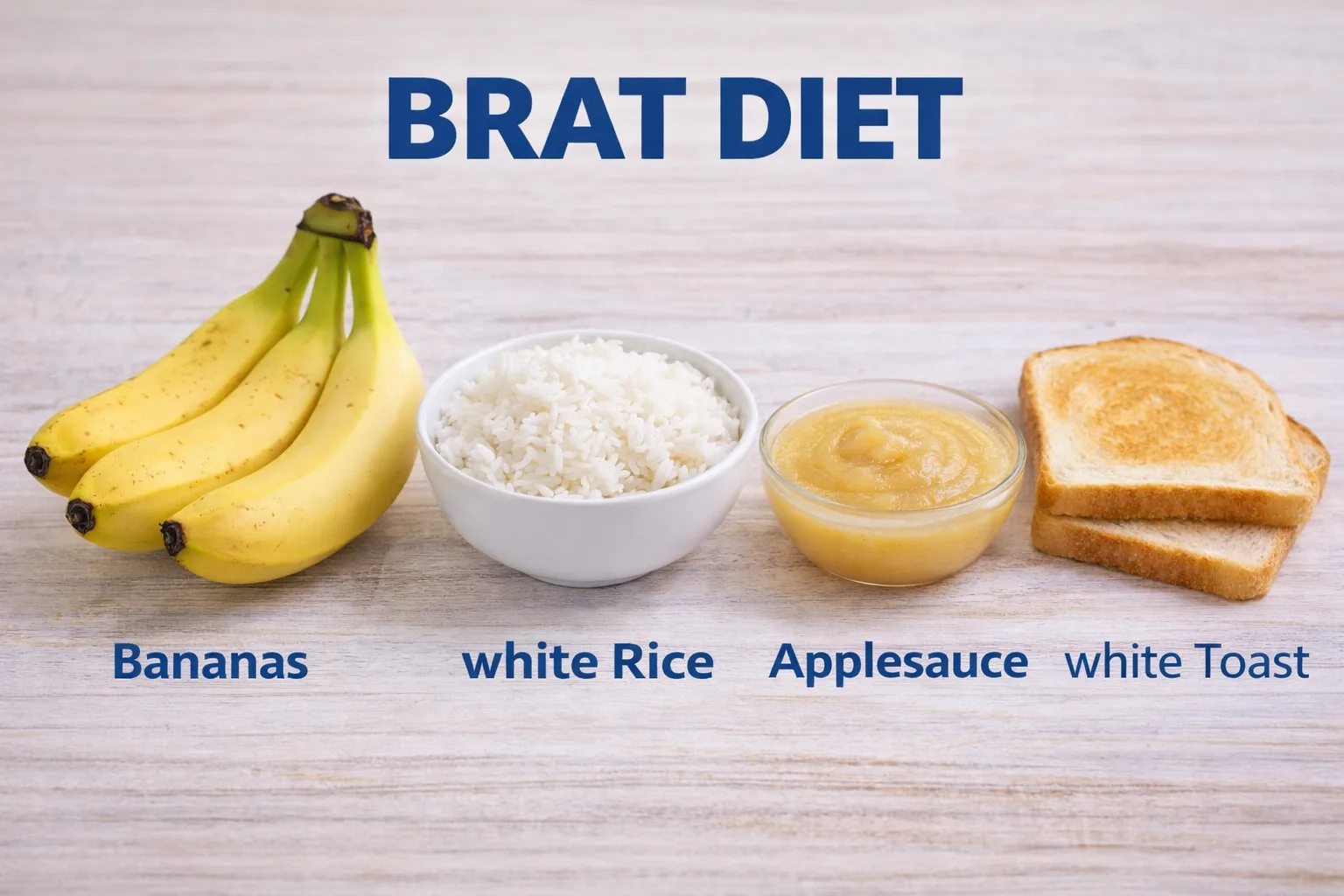
Many people associate Sprite with this approach because it is clear and relatively mild in flavor. However, unlike the foods included in the BRAT diet, Sprite does not contribute significant nutritional value beyond simple sugars. While it may accompany bland foods in some households, it is not a core component of medically recommended dietary recovery strategies.
Gradually reintroducing bland foods while maintaining hydration is generally more beneficial than relying on sugary carbonated beverages alone.
When Sprite Might Provide Temporary Relief
There are situations in which small sips of Sprite may provide short term comfort. If nausea is mild and primarily related to gas buildup, the carbonation may help trigger burping and reduce pressure. For individuals who struggle to drink plain water due to taste aversion during illness, a flavored beverage may encourage fluid intake.
In cases where appetite is low and energy levels are reduced, the sugar in Sprite can offer a quick energy boost. This may be helpful for someone who has not eaten for several hours and feels weak. However, this benefit is limited and should not replace balanced hydration strategies.
It is important to emphasize that any relief from Sprite is usually temporary. It does not treat the underlying cause of stomach upset, nor does it repair irritation of the digestive lining. The effect largely depends on individual tolerance and the specific cause of symptoms.
When to Avoid Sprite
Sprite is not advisable when symptoms include persistent vomiting, frequent diarrhea, or significant abdominal pain. In these situations, the carbonation may worsen bloating, and the high sugar content can increase fluid loss through the intestines.
If dehydration is a concern, relying on Sprite instead of electrolyte solutions may delay proper rehydration. The absence of sufficient sodium and other essential minerals makes it an incomplete option for recovery.
Individuals with sensitive digestive systems may also find that carbonation increases discomfort rather than relieving it. For these people, non carbonated fluids are generally better tolerated.
Paying attention to how the body responds is essential. If symptoms intensify after consuming soda, it is wise to discontinue it and choose gentler alternatives.
Better Alternatives for Soothing an Upset Stomach
Several alternatives are commonly recommended for digestive relief. Ginger has been used for centuries as a natural remedy for nausea and digestive discomfort. Ginger tea or beverages made with real ginger may help calm the stomach lining due to its anti inflammatory properties.
Peppermint tea is another option that can relax the muscles of the gastrointestinal tract, potentially easing cramps and bloating. Chamomile tea may also provide a soothing effect.
Clear broths supply fluids and mild nourishment without overwhelming the stomach. Oral rehydration solutions remain the most effective choice for preventing and treating dehydration.
Combining adequate hydration with small portions of bland foods supports gradual recovery. Avoiding caffeine, alcohol, and spicy or fatty foods allows the digestive system to rest and heal.
When to Seek Medical Attention
Most mild stomach upsets resolve within a few days with rest and proper hydration. However, certain warning signs require medical evaluation. Seek medical care within 48 hours, if a high fever above 101.3 degrees Fahrenheit is present, if there is blood in the stool, or if severe abdominal pain occurs.
Signs of dehydration, such as dizziness when standing, reduced urination, or extreme weakness, also warrant professional attention. Persistent vomiting or diarrhea can lead to serious complications if left untreated.
Prompt medical assessment ensures that underlying conditions are properly diagnosed and managed. While home remedies may provide comfort, they should not replace medical care when symptoms are severe or prolonged.
Final Thoughts
Sprite may appear to help an upset stomach because its carbonation can promote burping and temporarily relieve gas related discomfort. However, its high sugar content and lack of balanced electrolytes limit its effectiveness, particularly during episodes of diarrhea or vomiting.
While small sips might provide short lived comfort for some individuals, medically recommended hydration strategies and bland foods offer more reliable support. Understanding the cause of stomach discomfort and choosing appropriate fluids and foods can significantly improve recovery and reduce the risk of complications.
Frequently Asked Questions
Does Sprite actually cure an upset stomach?
No, Sprite does not cure an upset stomach. It may provide temporary relief from gas related discomfort, but it does not treat the underlying cause.
Why does carbonation make me feel better?
Carbonation can trigger burping, which releases trapped gas and reduces abdominal pressure. This effect is usually short lived.
Can Sprite make diarrhea worse?
Yes, the high sugar content can draw water into the intestines through an osmotic effect, potentially increasing fluid loss.
Is Sprite good for dehydration?
Sprite is not ideal for dehydration because it lacks the optimal sodium to glucose ratio found in oral rehydration solutions.
What should I drink instead of Sprite for stomach illness?
Oral rehydration solutions, water, ginger tea, peppermint tea, and clear broths are generally better choices for hydration and digestive comfort.
When should I see a doctor for an upset stomach?
Seek medical care if symptoms last more than forty eight hours, if there is high fever, blood in the stool, severe pain, or signs of dehydration.