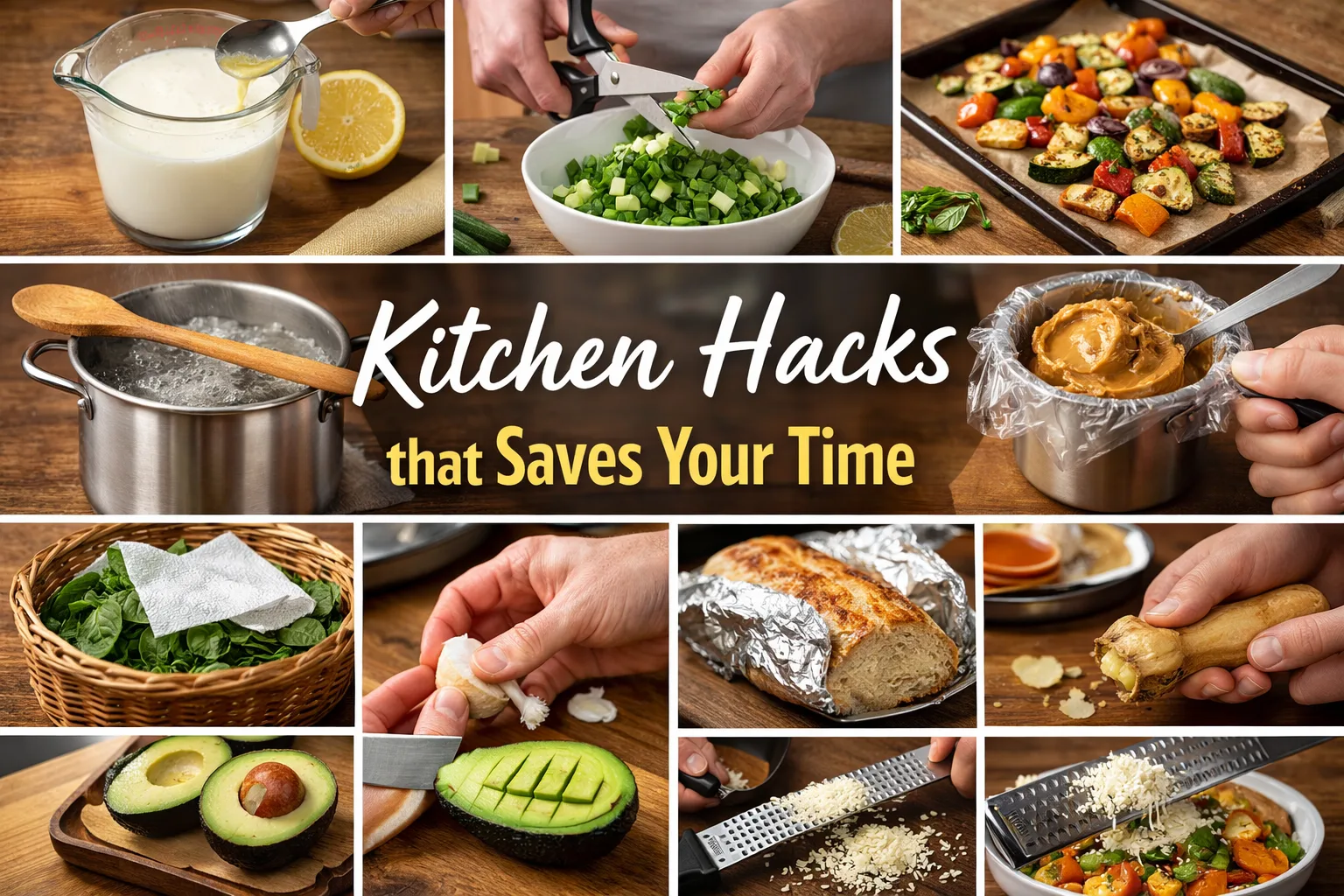
From making instant buttermilk substitutes to using parchment paper for easy cleanup, these smart techniques help reduce waste, save time, and improve everyday cooking without expensive tools or complicated steps.
Introduction
Every home cook wants to save time, reduce waste, and make kitchen tasks easier without sacrificing quality. Small adjustments in daily cooking habits can create a significant difference in efficiency and results. The following mindblowing kitchen hacks to save time are practical, proven, and easy to apply.
They simplify preparation, minimize cleanup, and help you make better use of everyday ingredients and tools. By incorporating these techniques into your routine, you can cook smarter, waste less, and enjoy a more organized kitchen experience.
A Simple Buttermilk Substitute That Prevents Waste
Many recipes call for buttermilk in small quantities, yet grocery stores typically sell it in larger containers. This often leads to waste, especially when you only need a small amount for one dish. Fortunately, you can create an effective substitute at home using ingredients you likely already have.
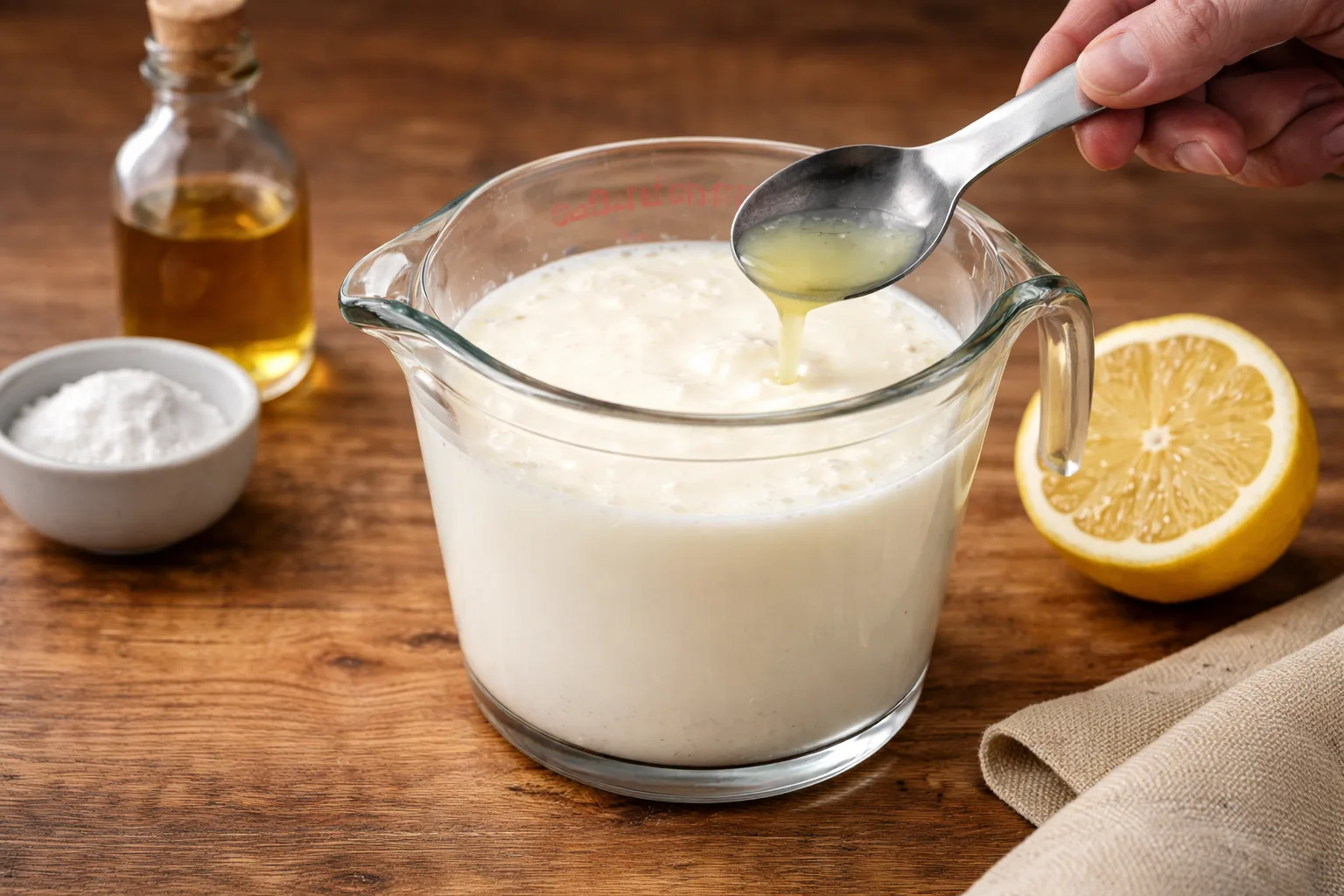 Simply combine one cup of milk with a tablespoon of lemon juice or vinegar, then let the mixture sit for about ten minutes. During this time, the milk thickens and slightly curdles, mimicking the texture and acidity of buttermilk. The acidity reacts with baking soda in recipes, producing the same tender and fluffy results that traditional buttermilk provides.
Also prepare: Mint Lemonade Recipe Keto Approved
This hack eliminates the need to buy an entire container for a single recipe. It is cost effective, reduces food waste, and allows you to prepare baked goods without last minute grocery trips. Keeping this technique in mind ensures that you can confidently tackle recipes that require buttermilk without worrying about unused leftovers.
Using Kitchen Scissors to Save Preparation Time
Kitchen scissors are often overlooked, yet they can significantly reduce preparation time. Instead of automatically reaching for a knife and cutting board, consider using scissors to chop small vegetables, herbs, or other ingredients.
Scissors allow you to cut items directly into a bowl or pan, eliminating the need to wash a cutting board afterward. This small adjustment not only saves time during preparation but also reduces cleanup. Additionally, using scissors helps preserve the sharpness of your knives by reducing unnecessary use.
This method is particularly useful for trimming herbs, slicing green onions, or cutting small vegetables. Once you start incorporating scissors into your routine, you may find yourself reaching for them more frequently than you expected. It is a simple change that streamlines cooking and keeps your kitchen workflow efficient.
Roasting Vegetables to Avoid Extra Dishes
Pre cooking vegetables for dishes such as quiche, pasta, soups, stews, or chili often requires an additional pan. This can increase cleanup time and make the cooking process feel more complicated than necessary. A smarter approach is to roast the vegetables instead.
Place the vegetables on a parchment lined tray and roast them in the oven. This method is largely hands off, allowing you to focus on other components of the recipe while the vegetables cook. Because the tray is lined with parchment paper, cleanup is minimal, and you avoid washing another pan.
Roasting also enhances flavor by caramelizing the natural sugars in vegetables. This adds depth to your dishes while maintaining efficiency. You can roast the vegetables ahead of time or while preparing other ingredients, ensuring a smooth and organized cooking process.
Prevent Boiling Over with a Wooden Spoon
Few kitchen mishaps are as frustrating as a pot of boiling water overflowing onto the stovetop. Cleaning up the sticky residue afterward can be time consuming. A simple wooden spoon can help prevent this problem.
Place a wooden spoon across the top of the pot while the water is boiling. The spoon interrupts the formation of bubbles, preventing them from rising and spilling over the edge. This small step keeps your stovetop clean and reduces the need for constant monitoring.
Although it may seem like a minor trick, it contributes to a more controlled and stress free cooking experience. Keeping a wooden spoon nearby when boiling pasta or other ingredients can save both time and effort.
Measuring Sticky Ingredients Without the Mess
Measuring sticky ingredients such as peanut butter can be frustrating. They cling to measuring cups, making it difficult to remove the full amount and requiring extra scraping and washing. Instead of coating the cup with cooking spray, which may leave an unpleasant taste, use plastic wrap.
Line the measuring cup with plastic wrap before adding the sticky ingredient. Once measured, simply lift the plastic wrap out, and the contents will release easily. This method ensures accurate measurements and eliminates residue inside the cup.
By avoiding nonstick sprays, you preserve the natural flavor of the ingredient. This approach simplifies baking and cooking tasks, ensuring cleaner tools and more consistent results.
Keep Greens Fresh Longer with a Paper Towel
Leafy greens such as spinach and cut lettuce tend to become soggy quickly when stored. Excess moisture inside containers or bags accelerates spoilage. A simple paper towel can help extend their freshness.
Place a paper towel inside the container or bag of greens. The towel absorbs excess moisture, keeping the leaves crisp and preventing premature wilting. This small adjustment can significantly extend the lifespan of your produce.
Reducing food waste not only saves money but also minimizes unnecessary grocery trips. With this easy storage hack, you can maintain fresher greens and improve the overall quality of your salads and meals.
Make Garlic Easier to Peel with a Microwave
Peeling garlic cloves can be time consuming, especially when working with multiple cloves. Microwaving garlic for about fifteen seconds loosens the skin, allowing it to slide off effortlessly.
This technique reduces preparation time and eliminates the frustration of stubborn peels. It is particularly helpful when recipe to cook require several cloves, such as sauces or roasted dishes.
By incorporating this quick step, you streamline meal preparation without affecting the flavor or quality of the garlic. It is a small change that delivers noticeable convenience.
Revive Stale Bread with Heat and Moisture
Loaf type breads can lose freshness quickly, becoming dry and hard. Instead of discarding them, you can restore their texture using a simple method.
Lightly dampen the outside of the loaf with water, wrap it in foil, and bake at 300 degrees Fahrenheit for about ten minutes. After removing the foil, bake for a few additional minutes to achieve a crisp exterior. The moisture and heat work together to rejuvenate the bread, making it almost like new.
This hack reduces waste and allows you to enjoy bread that might otherwise be thrown away. It is an efficient way to maximize the value of your groceries.
Parchment Paper for Effortless Cleanup
Parchment paper is one of the most versatile tools in the kitchen. Lining baking sheets, pans, or drip trays with parchment paper simplifies cleanup and protects food from burning. It is tolerant to temperatures up to 420 degrees Fahrenheit, making it suitable for most oven dishes.
Using parchment paper prevents food from sticking and eliminates the need for scrubbing baked on residue. It also provides a slight insulating effect, helping ensure more even cooking.
By making parchment paper a regular part of your cooking routine, you reduce post meal cleanup time and maintain better control over your results. This simple tool enhances both efficiency and consistency in the kitchen.
Peel Ginger Easily with a Spoon
Ginger has an irregular shape with many bumps and curves, making it difficult to peel with a knife or vegetable peeler. Using a spoon offers a more precise and waste minimizing solution.
Simply scrape the spoon against the ginger skin, and it will come off easily while following the natural contours of the root. This technique removes only the thin outer layer, preserving more of the usable ginger beneath.
Reducing waste and simplifying preparation are key components of efficient cooking. With this method, you handle ginger more effectively and avoid unnecessary trimming.
Slice Avocados Cleanly and Efficiently
Avocados can be slippery and messy to slice on a cutting board after peeling. A more efficient approach is to slice them while still in their skin.
First, split the avocado in half and remove the pit by carefully striking it with the heel of a knife and twisting it out. Then, use the tip of a paring knife or chef knife to slice the flesh directly in the skin. Once sliced, scoop the pieces out with a spoon.
This method produces evenly sliced avocado with less mess and greater control. It is particularly useful for salads and guacamole, ensuring neat presentation and faster preparation.
The Versatility of a Microplane Grater
A microplane grater is an incredibly versatile tool that enhances both flavor and efficiency. It is ideal for zesting citrus fruit, grating ginger, and grating garlic. Many cooks find that once they start using a microplane for garlic, they no longer need a garlic press.
In addition to these uses, a microplane creates a fine layer of grated cheese over pasta or pizza and allows you to grate whole nutmeg easily. Its sharp surface produces delicate, even textures that blend seamlessly into dishes.
Having a microplane in your kitchen simplifies multiple tasks and improves flavor distribution. It is a small investment that delivers substantial convenience and versatility.
Final Thoughts
Efficient cooking does not require expensive gadgets or complicated techniques. The most effective kitchen improvements often come from simple, thoughtful adjustments. From creating a buttermilk substitute and using scissors for chopping to lining trays with parchment paper and storing greens with a paper towel, these mindblowing kitchen hacks to save time make everyday cooking more practical and enjoyable.
By reducing waste, minimizing cleanup, and simplifying preparation, you create a smoother workflow and a more organized kitchen. Incorporating even a few of these techniques can transform your routine, helping you cook with greater confidence and efficiency.
Frequently Asked Questions
What is the easiest substitute for buttermilk?
Mix one cup of milk with a tablespoon of lemon juice or vinegar and let it sit for ten minutes. It works effectively in most recipes.
How can I prevent a pot from boiling over?
Place a wooden spoon across the top of the pot to disrupt bubbles and prevent overflow.
How do I keep leafy greens fresh longer?
Store them with a paper towel inside the container or bag to absorb excess moisture.
What is the easiest way to peel garlic?
Microwave garlic cloves for about fifteen seconds to loosen the skin for easy removal.
Why should I use parchment paper when baking?
It prevents sticking, reduces burning, and makes cleanup significantly easier.
Also read: Top 10 Instagram Food Bloggers in the World to Follow in 2026